This month I had the pleasure of interviewing AP Murphy, author of several speculative works that traverse noir, science fiction, thriller, horror and bizarre fiction. Murphy talks all things background, influences and the journey he has been on as a human and an author.
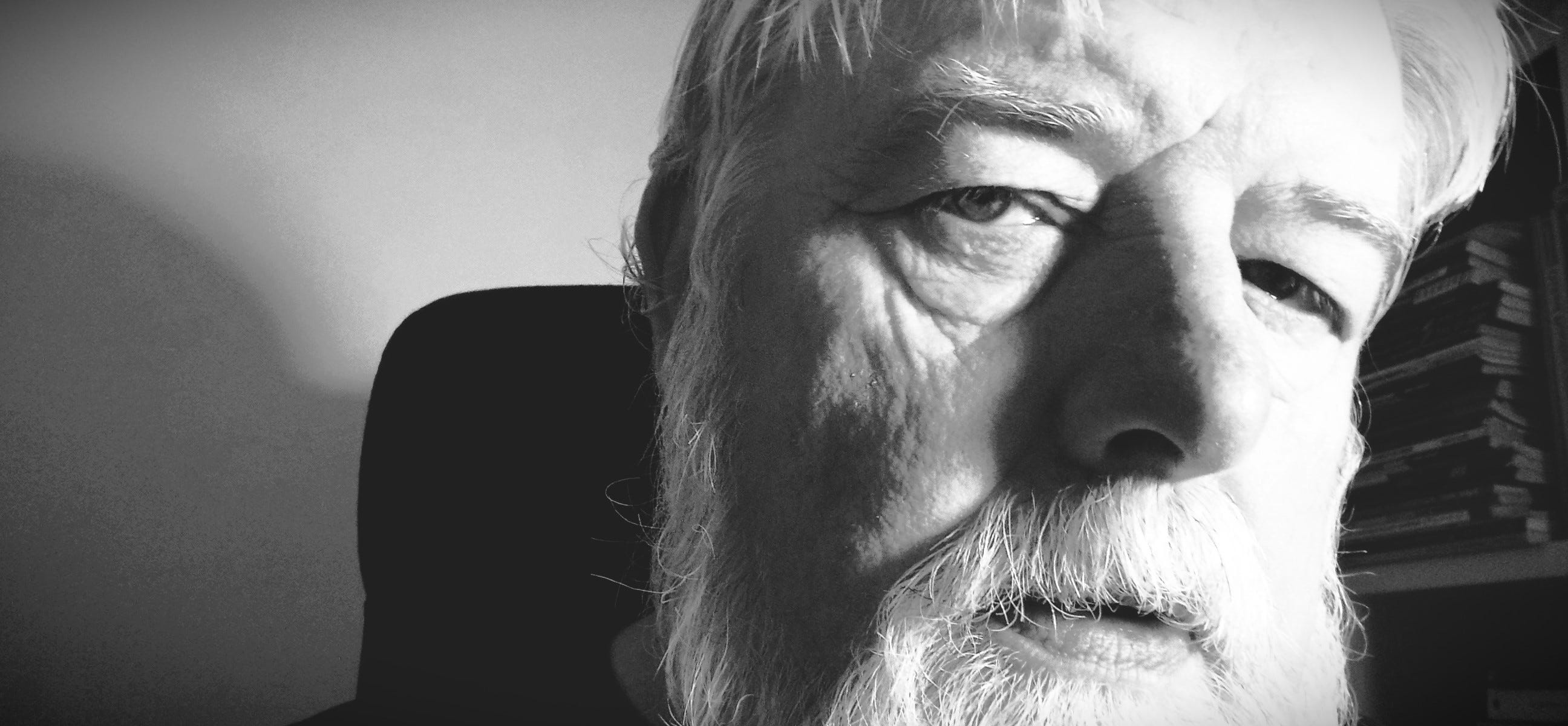
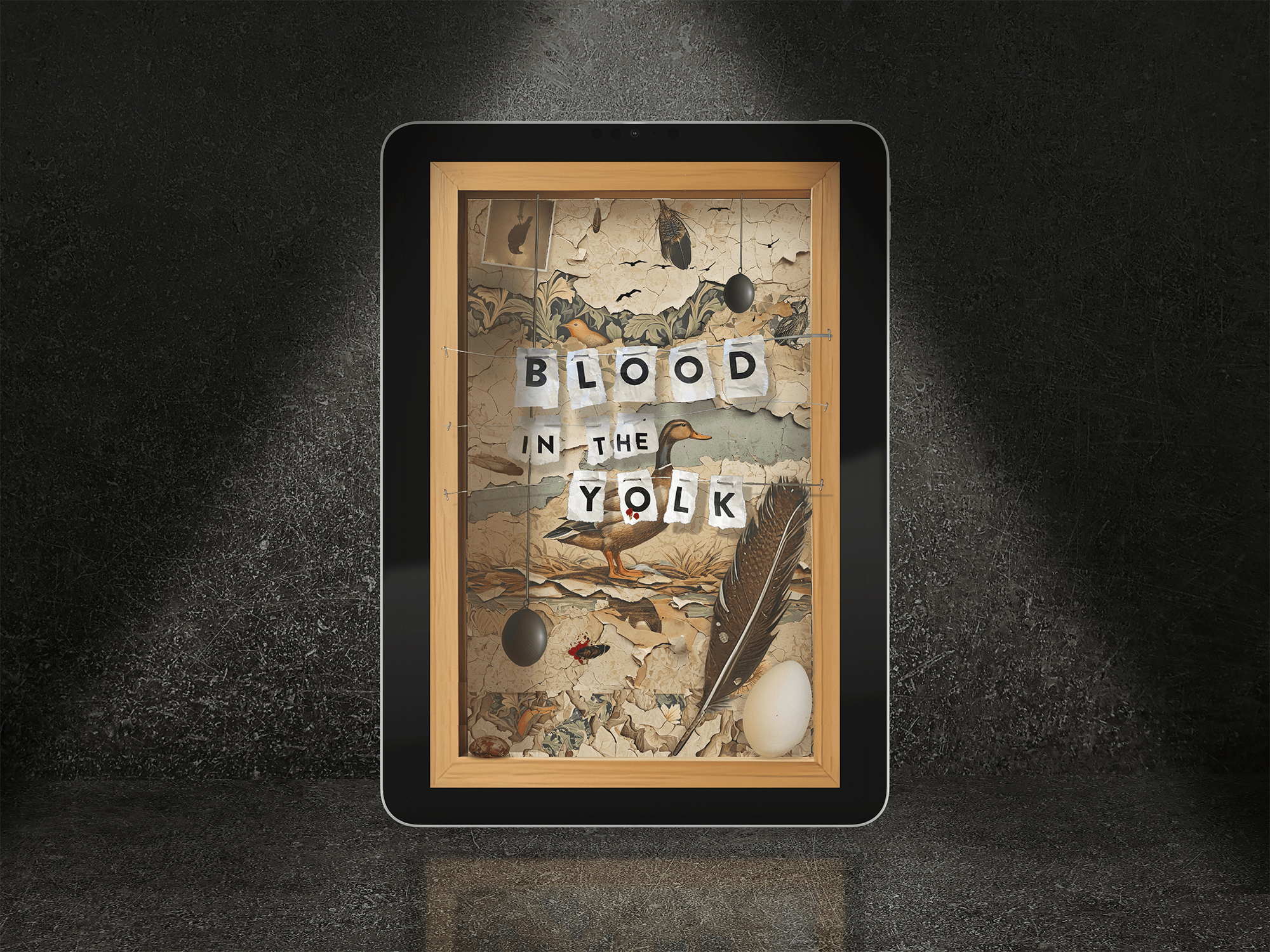
Can you tell us a little bit about where you’re from and what kind of fiction you write?
I was born in Hammersmith, London, just over sixty-one years ago.
My parents, now passed away, were country people from Ireland, from auld County Kerry – the most beautiful and desolate part of the country*…
*(and also the region which Irish people do Irish jokes about, that is, stuff like: “Have you heard the one about the two Kerrymen, Paddy and Michael, who saw a sign saying JOB OFFER: TREE FELLERS WANTED. And Paddy said ‘Sure, if Tommy was here with us, we’d be tree fellers and we could go for that job’”)
Anyway, we (my two brothers and I) were brought up in England but literally everyone else we knew growing up was Irish. Family, friends, uncles and aunts, priests, teachers…
Sounds strange to say it, having been born in England, but I never even knew English people existed until I was five and went to school. Before that, everyone in my world was either Jamaican or Irish (not that these communities mixed much back then).
My fiction work: I like to write fiction of all kinds, but it has to get to “what lies beneath”, something hidden from ordinary life. So that means either sci-fi, fantasy, horror or very dark crime stories generally. I’m presently working on a noir mystery novella that’s also a collection of fairy stories.
I read both The Thing In The Box and It’s Never Aliens. Can you tell us where the inspiration came from for The Thing In The Box?
[NON-SPOILER] It’s very much based on the common rather dumb “Mystery Box” notion which was popularized by that talentless hack J.J. Abrams. You can have a mystery in a box without very much story going on, and that’s good enough for JJ. The audience’s curiosity will fill in where the story’s lacking. Good enough for him, apparently. Not quite good enough for me, though.
[SPOILER] The Thing in the Box is in some sense an anti-mystery. The characters dream up all kind of elaborate theories about what’s inside this Gothic heirloom, but the true horror is what they pass over as simple historical details that establish its provenance. The gothic story that they cook up about the box is just a way of generating commercial interest. The true horror is their own known family history and their own desires, both of which they conceal or ignore.
[MEGASPOILER] The box of course contains nothing, it’s a distraction and a MacGuffin. The reader is supposed to be as let down as the characters by the lack of mystery object, but of course by that time something else has come up…
As for It’s Never Aliens, what inspired you to write that story?
As I mentioned, I’m always looking to get into the area of “What Lies Beneath”. Just before starting on the story in October last year I was reading the Philip K. Dick novel Time Out of Joint. It’s really his first sci-fi novel and right away it gets into the classic Dickian thing of penetrating behind the veil into a new reality, the most pervasive theme in all of his stories. Without getting into spoilers about what happens in that novel, which is so influential for so many stories of ‘simulated’ or ‘virtual’ reality in literature, film and TV since then, it suffices to say that there is a slow and patient buildup of the main character’s everyday reality, which then breaks down in a spectacular scene reminiscent of a drug trip or psychotic breakdown:
The soft-drink stand fell into bits. Molecules. He saw the molecules, colorless, without qualities, that made it up. Then he saw through, into the space beyond it, he saw the hill behind, the trees and sky.
I’d be lying if I said that book’s descriptions of the tearing of the veil wasn’t something I was trying to emulate and even (if we can forgive my disrespect to PKD) exceed in its power.
This particular story is disguised as a mystery about aliens but it’s very much more about a man’s anxieties about being (or not being) the breadwinner in the family.
Who are the aliens? Extraterrestrials or those closest to us when we feel alienated from them by stress… I think the story lies in that ambivalent space where everything is uncertain, though some see it one way and some see it another. Hope that’s not too spoilerish.
At what point in your life did you realise that language has power?
From the very beginning. I’m almost absolutely useless at life, I have almost no practical skills (except for one which is quite sneaky and has to do with stealth/deceptive action). But I’ve often been the best in any given group at speaking and framing ideas in simple and effective ways, spinning a yarn, presenting an argument, and so on. I was always top of the class in English and literature, in school all the way to postgrad level, though I was generally average at everything else. After two postgrad degrees in literature and linguistics I didn’t fancy academia (though objectively it probably would have been the best thing for me) and I’ve been too lazy to knuckle down to write fiction except in recent years. So I’ve kind of drifted around, working hard but in a disconnected way, but always in language-based activities – journalism, teaching, translating, interpreting, linguistics in general. It’s literally the only thing I can do well.
Well, there’s one other thing, but it’s a bit confidential at present. Not shagging, though… something else.
How many hours per day do you write?
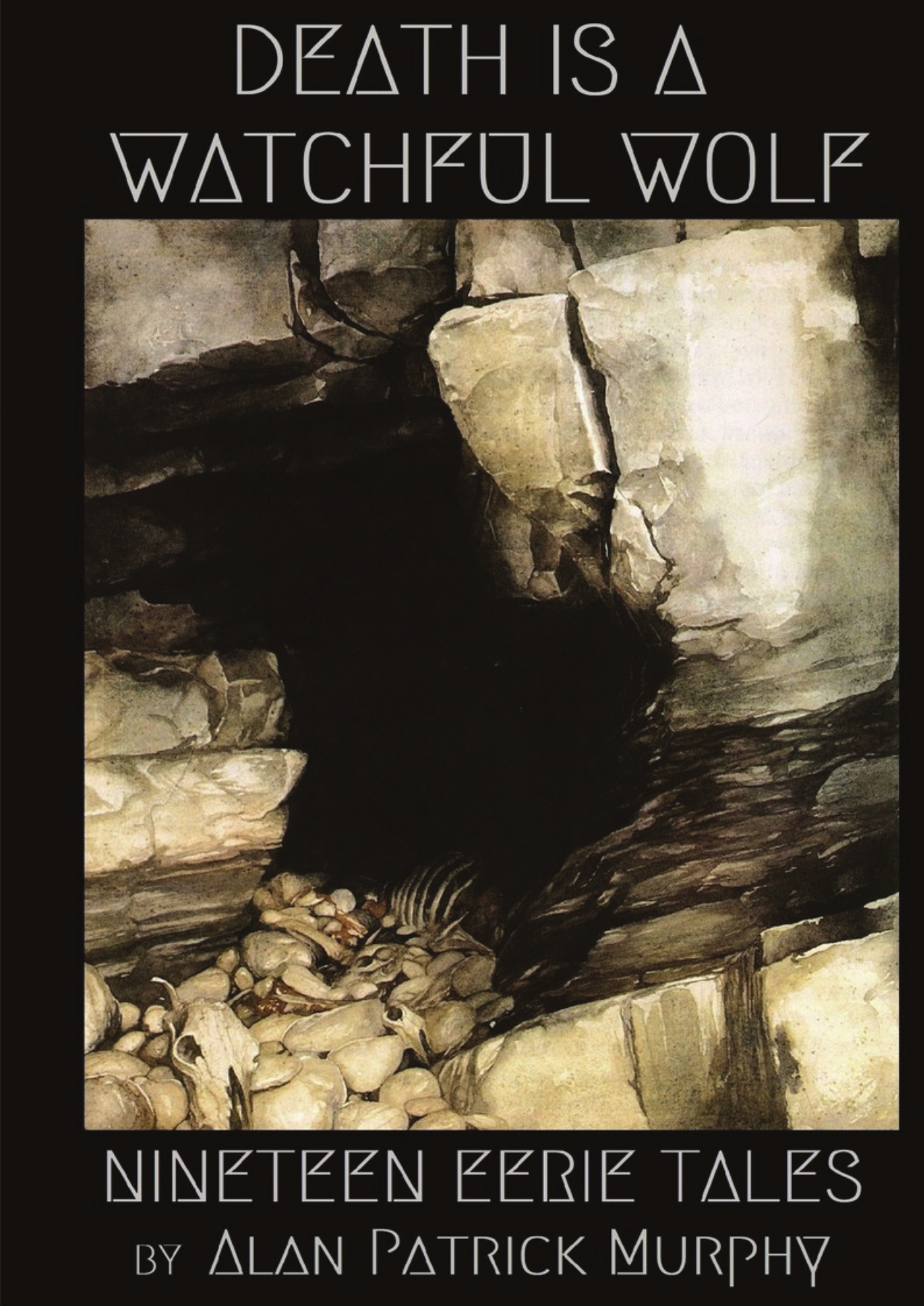
These days, around 6 to 8 hours per day. Sometimes 10-12. I start every day at 6am, weekends too.
First thing is to do a movie review, and I’ve done nearly 1000 of them over 1000 consecutive days.
I have childcare at other times, but I have no regular outside work these days. Like you, I hope to earn a living through writing, but unlike you I’m too lazy to do the ancillary bits like social media PR, promotion and sending out query letters. I’m waiting for my immense talent to get scouted, hurr hurr.
Is there fiction you’ve read that changed you as a person?
Yes, tons, but mostly when I was young.Tolkien and Thomas Hardy both made me quite the nature-lover and long-haul hiker. When I was 16 I hitched from London down to Dorset to sightsee some Hardy country, soon I was hitching everywhere.
Kafka is the Big One, his work expanded fiction to completely new areas that I didn’t even know could exist before him. Jorge Luis Borges made me fascinated by esoteric mysteries and also want to become a Spanish speaker. He’s the source of weirdness for me that Lovecraft is for most people – and he’s kind of a combo of Kafka and Lovecraft with a bit of esoterica and old-timey detective mystery like Chesterton thrown in.
Samuel Beckett made me a total punk in the literary sense – for most people it was Johnny Rotten but for me it was a very old French-speaking Irishman.
Loads more fiction and also music and movies have changed my life too…
Do you think writers should read outside of their favourite genre(s)? Why?
Oh yes, there’s literally nothing I won’t read. Why? If I may be a poncy Latin-spouting repulsive get for a moment: Humani nihil a me alienum puto – ‘nothing that is human is alien to me’. Every book, except I suppose for the most utterly trashiest, has something you can learn from, even if it’s just what you don’t want to do. Great writing starts with great reading, and great reading starts with the Melville-based canon and then branches out, forward and backward, to anything and everything.
It mystifies me that a reader will read this thing because it’s their genre, but ignore something else, even something by the same author, because it’s not the kind of thing they read. I know lots of sci-fi geeks who swear by Iain M. Banks ‘Culture’ space-opera novels but would pass on Iain Not-M Banks’s ‘literary’ novels. How can people be so incurious?
What is your favourite under-appreciated novel?
Something short and sharp: Miss Lonelyhearts by Nathanael West. This is sophisticated urban grotesque modernism, sharp and weird. Something long and amazing: A Man Without Qualities by Robert Musil. Sprawling, everything-but-the-kitchen-sink novel about Old Vienna, everything from bored aristos to Kafkaesque bureaucracy to seedy psycho killers. Ambitious and flawed, just as something so huge really oughta be.
What is a story you’ve written that you’re most proud of?
Probably a quite recent one called ‘The Gunner’s Task’ – very much a companion piece to ‘It’s Never Aliens’. Based on a minimalist techno-punk song called Frankie Teardrop by the group Suicide with Alan Vega. That story is all done free-form, free-flow, what they call zero-draft, just the way I like it. Love it when the flow comes and the story just goes wherever it will.
I think this story stings, others might think it stinks. It does stink, but in a good way, it has that heady stink of realness. It stinks of old New York from the 1980s – and yes, I was there, but only for a weekend.
https://thestrangenesskit.substack.com/p/the-gunners-task
Where do you see yourself in five years?
At 67 years old, judging by family genetics, I’ll almost certainly be pushing the life expectancy envelope. Bad Irishman genes mean that you’re a sexy Adonis when you’re young, a solid brute in middle age, and a shocking mess when you’re older. From Cillian Murphy to Shane MacGowan kind of thing. I’m very much in the Shane McGowan zone right now.
However, it doesn’t really matter so much, only this means I’m not much concerned about ‘building a literary career’. If I can get some good work done before the final whistle, that’s a good result.
What’s a book you wish more people would pick up and read for the sake of humanity?
Good question. Bloody good question. First thing that comes to mind is Blake’s Songs of Innocence and Experience… But all you really learn from those poems is that good is better than evil, which I hope we would already know.
Better question: what causes evil to exist in our societies? Supplemental: how can we make it better? One answer which is strongly written is the China Mieville book about The Communist Manifesto, the original Marx & Engels pamphlet: A Spectre, Haunting (2022).
What’s most wrong about the present-day world? One strong candidate is the way the global elite keep the global poor down. So I’ll mention Fritz Fanon’s The Wretched of the Earth (1961).
But it’s no use moaning and dooming about where we are now, we have to act to change things fast, so there are some nice interesting guides to transformative change.
Vivek Chibber, Confronting Capitalism: How the World Works and How to Change It (2022)
Vincent Bevins, If We Burn: The Mass Protest Decade and The Missing Revolution (2023)
But those are all poetry and non-fiction essays, maybe we want a fiction book with a similar feel:
Carol Emshwiller, The Mount (2002) – winner of the Philip K Dick Prize, a bizarre tale with plenty of food for thought. What if humans were the mere beasts of burden of an alien race? No rights, condemned to exploitation. Just imagine what that might be like… Weird, right?
Who was your biggest influence as a writer?
Depends what genre, style and approach I’m going for. I have several writers that are ideal models in various areas: Samuel Beckett for comic-parodic. EA Poe for grotesque horror. JG Ballard and PK Dick for dry urban Gothic and speculative. Angela Carter for Gothic fairytale. Isaac Babel for war and gangster action. Hammett and Ellroy for hard-boiled noir.
The greatest prose stylist in the English language is Herman Melville, so there’s him. Overall, both for a varied style and most of all for grim lumpiness there’s Beckett, early and late. And also for style the contemporary triad of prose masters: Cormac McCarthy, Don DeLillo and Angela Carter.
Just now going through a DeLillo phase and it’s so inspiring, makes you want to try to soar to those heights of prose mastery, a very risky proposition because the chances of failing and falling into clunky purplish prose are very high with the DeLillo style. It’s a high-wire act where you might stumble and fall into a vat of cheese. As I said, very exhilarating.
See also:
Interview with Sean Thomas McDonnell, author of Cherry Kills.
Leave a Reply