The truth about indie publishing. Here are some classic myths people love to perpetuate about self-publishing (indie publishing) and traditional publishing. Which ones have you heard before?
Indie authors choose to self-publish because they couldn’t get a book deal.
This is incorrect for a few reasons, but speaking from my own experience, I have never sought out a book deal. The very idea of querying hundreds of agents for potentially years asking them to take a chance on my book instead of spending my limited free time writing the book dries up any creativity I have left after a long day.
Why people choose self-publishing over traditional (think the big names like Penguin, Harper Collins etc):
More control. You are in control of the marketing, the presentation, the formatting, editing, cover, blurb… you name it. The independent author is usually the project manager and oversees every aspect of the book’s creation. Before I became an author, I already had first-hand experience of running a small business. Being an indie author is just running a small business. No one is doing it for you.
Pros: Complete autonomy and control over when, where, how, why and what gets published. No one can take your book out of print, and you keep all creative control and rights.
Cons: Complete autonomy and control over when, where, how, why and what gets published. If you don’t feel like you could take on project management, you’re bad at keeping to deadlines or you aren’t prepared to look into editing, graphic design and formatting software, you might hate this. If you don’t have anything in your budget to cover hiring editors and cover artists (and you can’t have a go yourself) traditional publishing might be better for you.
Did you know: marketing is usually led by the author regardless of whether they’re independently or traditionally published? If the publishing house doesn’t have a big marketing budget for lesser-known authors, the author usually has to do their own social media marketing.
Indie authors are amateur authors. Only traditional publishing is professional.
Though there are plenty of writers who publish a book every now and then as a hobby, this is too much work to be a hobby.
As I pointed out before, the indie author is the project manager. The finished project will be as professional or as amateur as that particular author allows. If an indie author has approached it as a professional task and they hope to earn a living off their writing one day, I wouldn’t call that amateur. If they’re buying ISBNs and tables at events, I wouldn’t call that amateur. If they’re investing in subscriptions like Canva and Tailwind to promote their books on social media, I really don’t think that’s amateur.
I had to submit all 5 of my titles to The British Library recently because of the legal deposit law in the UK. Again… this certainly feels real to me.
The cover will decide who is professional and who is not.
Most readers will judge a book by its cover. This is human nature. The cover is the first impression. That’s all you get. This is certainly the part where a lot of ‘amateur’ indie authors fall down, as they may not have had the budget or the time to learn how to design a good cover.
Saying that, there are readers who will take a chance on a bad cover. They could be trying to read as many e-books in their Kindle Unlimited subscription for example, and the tropes and plot matter a lot more than the cover when they’re browsing. Sometimes you’ll get to know an author from other circles and you’ll take a chance on their book because it sounds interesting, or you want to support them.
Indie publishing is too expensive to not be professional. If someone is investing their time and money in it, sure, it can be an expensive hobby… but it’s mostly because they’re actually running a business.
Traditional book deals earn you more money.
For some reason, people assume authors are rich. This goes for any author. While traditional book deals do result in the publisher paying the author an advance, this is not quit-your-job-money for many authors. Most traditionally published authors still work full time even when they’ve had a few books published. They also only start seeing book royalties when the advance has been ‘earned out’. So if the publisher gives you a £10,000 advance for your book, you have to have earned that back before you start earning royalties. If your hardback book is £20, and as part of the deal you take 5% of the cut, that’s 10,000 books you need to shift.
This is why marketing is important.
But you’re an author. You must be rich?
JK Rowling and James Patterson are examples of wealthy authors, but there aren’t that many statistically speaking. Most authors are getting by, but it’s not Rolls Royce money.
According to creativeindie.com, the top 10% of self-published authors are earning over $50,000 a year from their books. It doesn’t look greener on the other side of the fence though:
of the 58,000 trade titles published per year, fully half of those titles “sell fewer than one dozen books.” More broadly, 90 percent of titles sell fewer than 2,000 units. Even a small advance of a few thousand dollars would not earn out at standard royalty rates.”
According to Elle Griffin‘s report, the big 5 spend most of their money on advances for books from celebrities and politicians.
Have you also noticed that when you go into the bookshop, the shelves are covered in fancy cloth-bound hardbacks, slick modern paperbacks and film-cover paperbacks for classic literature? Guess what: the rights to these books cost nothing for the big publishers to acquire if the work is out of copyright. Reprinting classics in trendy, deluxe, or curated covers is highly lucrative. It allows them to capitalise on books with expired copyrights, avoid paying new author advances, and target collectors willing to pay a premium for beautiful physical copies.
That’s one end. The other end is millions of pounds spent acquiring Britney Spears’ latest autobiography. In the middle somewhere are living authors who write for what they hope will be a living wage one day.
Indie authors just write fan fiction.
This is a bizarre take, especially when we all know that traditionally-published book Alchemised was a dressed-up edition of a long-running fan fiction work from the author. It was so dressed up that the publisher did not permit anyone to ask questions about inspiration for the book, because the original fanfic Manacled existed only thanks to Harry Potter and Hermione and Draco Malfoy. This has remained a highly controversial topic of discussion, and even in light of a seven-figure-film deal, fans are still wondering if this is ethical.
Why did publishers come running at this? Could it have anything to do with the way things really sell if piggy-backing off an already popular franchise? I do wonder sarcastically.
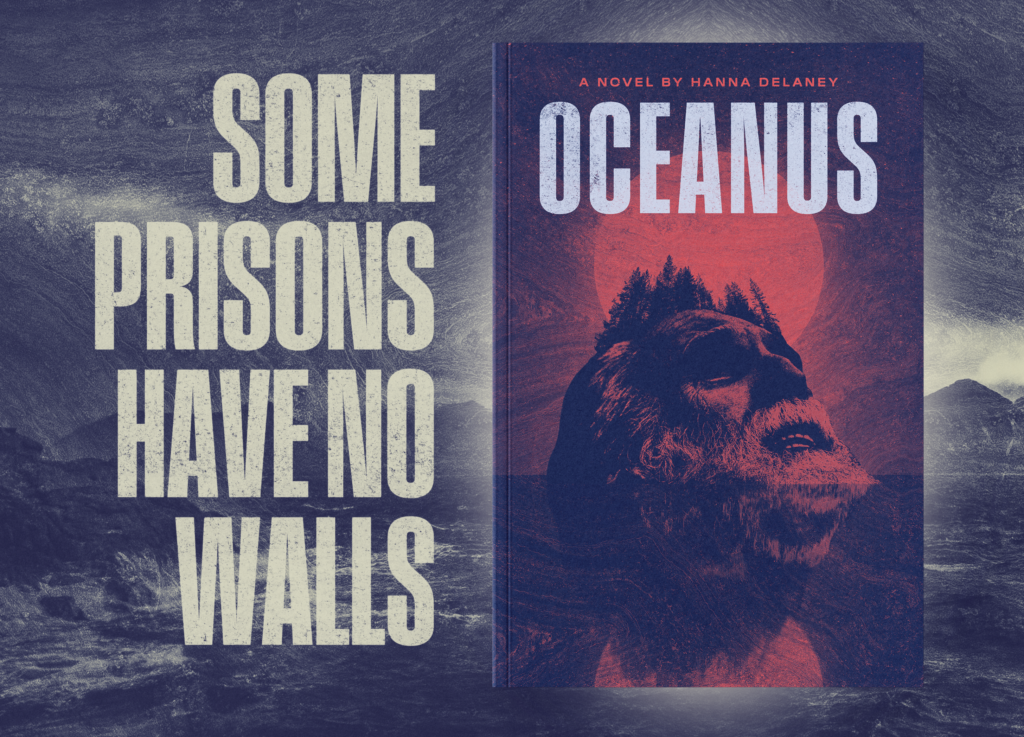
EL James has openly discussed how Twilight inspired her Fifty Shades Of Grey series. Sure, El James was writing the fanfic online first, but this doesn’t mean all indie authors only write fanfic. Sometimes I get comments from trolls online telling me no one cares about your fanfic and I think that’s so funny because um… none of it is? Oceanus is inspired by Shakespeare’s The Tempest but this does make me start wondering where the line between inspiration and fanfic actually is. A lot of trolls don’t know.
Independent authors are just as capable of creating entire worlds and compelling stories without needing to rely on blockbuster film franchises or popular book series. Formerly independent authors Andy Weir, Hugh Howey and LJ Ross aren’t writing fan fic.
Independent publishing can earn a lot of easy money. Just upload your book and let the magic happen!
I’ll say this now: if you want to earn a lot of money, writing may not be for you.
I said before that being an independent author is also being in charge of a small business. Businesses cost money to run. Your costs can go up, and some months can result in low book sales. This is just what it’s like.
Nobody… absolutely nobody who published a book in the last 3 years was able to just upload one book onto amazon and sit back while the world fell in love with their words. People who saw that kind of success were publishing on kindle in 2017. Nowadays, with the rise of AI slop books being published in their hundreds each week to drown your book out of the algorithm’s recommendations, the work is harder. Much harder.
Whether you’re earning £50 or £5000 a month, indie publishing takes a lot of hard work, grit and strength. The more you earn, the more you might start spending on advertising instead of being on Instagram every day making trial reels. The more you earn, the more you might be spending on a social media manager, a website designer or a PR manager. With a bigger budget, you might open a Netgalley account to find ARC readers for future books. It all costs money.
While the generous royalty rates (70% for ebooks) is really tempting for independent authors, this work isn’t for the faint of heart.
You could earn a lot of money. That’s the fun of it, but please don’t be under the illusion that it’s easy money. You have to love what you do.
So what else have you heard about indie publishing? Let me know in the comments.
Hanna Delaney is an independent author from Liverpoool, UK. She published her debut novel Oceanus in 2024 and went on to write 3 more books. You can see more about her books on Goodreads.


Leave a Reply